
WW II Inventions That Changed History
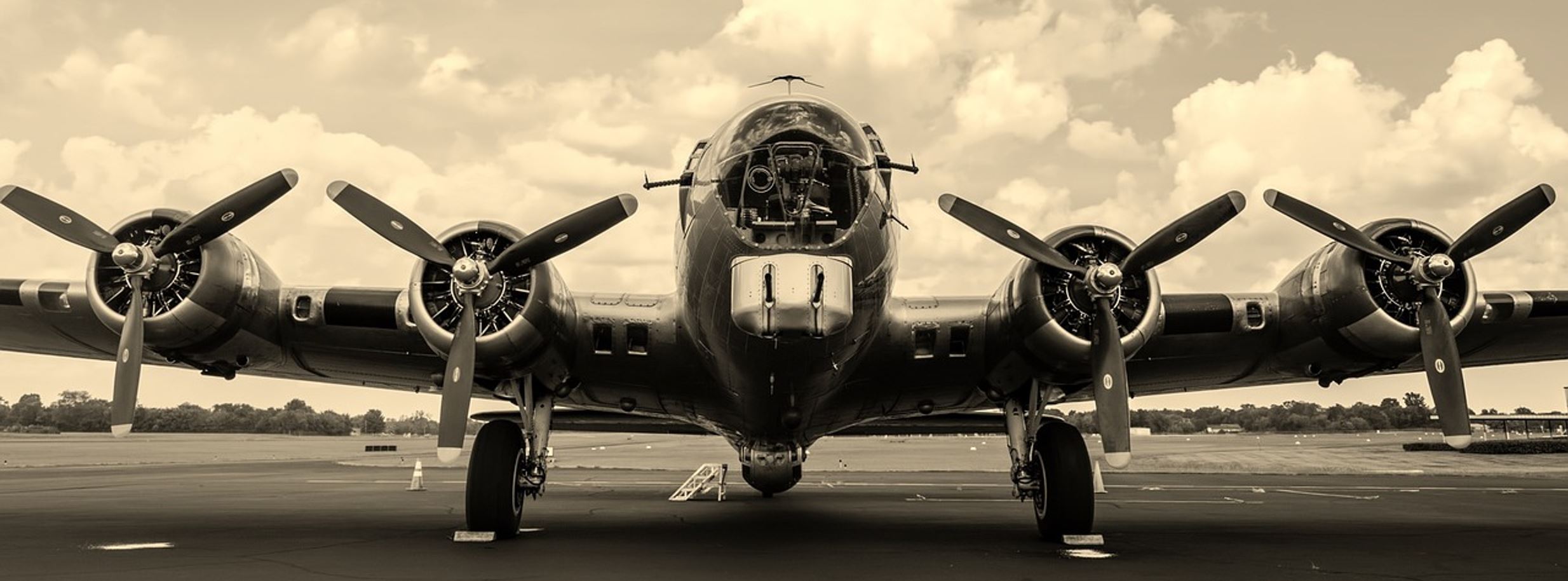
Photo source: https://pixabay.com/photos/airplane-world-war-ii-sepia-2507504/
World War II was a devastating time for humanity. Resulting in the death of almost 75 million people, the war ravaged countries and led to a level of death and destruction the world had never experienced before. Despite this chaos, civilization continued to advance.
On the scientific, medical, and technological side of the war, things were moving rapidly. Primarily to aid the war, scientists and inventors internationally put their heads together to create equipment and systems that would give their allies a leg up.
Their inventions changed the world almost as much as the war. Read on to discover some of the most important of these inventions—including some that seem unlikely to have been the efforts of a global war.
Penicillin
Commonly used in today’s medicine, penicillin has not been around commercially for as long as many believe. Discovered in 1928 by Scottish scientist Alexander Fleming, the drug was only used in small quantities and didn’t receive much attention. It was only in 1941 that human trials using the drug even began.
During the war, however, the power and efficiency of the drug was cast into the spotlight. During a time when superficial scratches could lead to fatal infections, the US government paid more attention to how penicillin could eradicate infections and help alleviate pain in wounded soldiers.
After Australian scientist Howard Florey seemingly perfected it, the drug was mass-produced. The US alone created 2.3 million doses for use by the Allied troops. Since then, it has been found in thousands of general antibiotics and is now one of the most common infection killers internationally.
Radar
Radar is used in many places in the modern world. From speed enforcement cameras to car parking sensors and airport landing guides, it has revolutionized how we detect oncoming collisions and provide guidance.
Development of radar first began as a weapon to shoot beams of radar to incapacitate pilots, but scientists soon discovered this was not viable. They did, however, note that they were receiving a bounce-back from the target at which they were shooting the beams—similar to sonar.
With this information in hand, the expansion of radar accelerated at a rapid pace. By 1939, a radar station network was built for detecting incoming enemies across the UK. This helped the Allied forces detect planes and boats coming in from enemy territories and act accordingly.
Electronic Computers
For most of us, our everyday lives revolve around computers big and small. The origin of these is hard to trace back to war, even though World War II was instrumental in our access to them today.
While the term “computers” initially referred to a collection of women doing complex calculations by hand, during the war, the British began looking for a way to break the German’s Enigma cryptography language. Alan Turing discovered the perfect way by creating an electro-mechanical machine titled the Bombe.
Although far removed from what we’d consider a computer today, the creation of the Bombe was the catalyst that started massive interest in the technology. This led to the birth of modern-day computing, the internet, and the ability to connect via social media, shop online, or even gamble on sites like casinos.com.
Jet Engines
In 1930, while English engineer Frank Whittle worked for the Royal Air Force, he filed a patent for a design termed the jet engine. However, the concept was considered strange and gained little traction among both the air force and the air travel industry.
Nine years later, however, Germany performed its first test flight using a similar design only a few days before invading Poland. The UK government quickly realized the merit of the design and began manufacturing aircraft based on Whittle’s initial designs.
In 1941, the first Allied forces craft took flight using jet engines, and aviation, as it was known, changed forever. Since then, jet engines have become a staple in modern avionics because they are faster and allow planes to travel longer distances.
Atomic Bomb
We would be remiss not to mention one of the most significant inventions in human history: the atomic bomb. Capable of wreaking incredible havoc through its awe-inspiring destructive power, the bomb is not only one of the most complex inventions of the war but also one of the primary reasons the war ended.
The bomb, which cost more than $2 billion to develop and required more than 125,000 workers, was created under a program called the Manhattan Project. Under Dr. Oppenheimer’s watchful gaze and supervision, the bomb was developed while many others, including famed physicist Niels Bohr, continued to say it was impossible to produce.
In 1945, the first test of the weapon was conducted. Titled Trinity, the test was successful and unleashed the most powerful tool of warfare ever seen. After two bombs were dropped a month later, production of bombs has continued, but the world has been lucky never to have one used in active warfare again.
Ballpoint Pens
Working as a journalist during the war, Laszlo Biro became increasingly irate at his fountain pen, which continuously smudged and smeared. After visiting a printing store that used ink that appeared to dry almost instantly, he got the idea to use that ink in a more convenient and portable manner.
Working alongside his scientist brother George Biro, Laszlo filed a patent for the world’s first ballpoint pen in 1938. After some testing, the duo perfected the pen and created a tool that has become a staple internationally in almost every home and business.
The British Royal Air Force was one of the first adopters of the pen after its invention. Because reservoir pens (the closest alternative at the time) were consistently leaking when used by pilots, the RAF placed an order for 30,000 of the Biro brothers’ pens. This allowed pilots to take notes, mark coordinates, and write letters at high altitudes—all instrumental tasks.
My Führeliste of the SS and Waffen-SS
Hello,
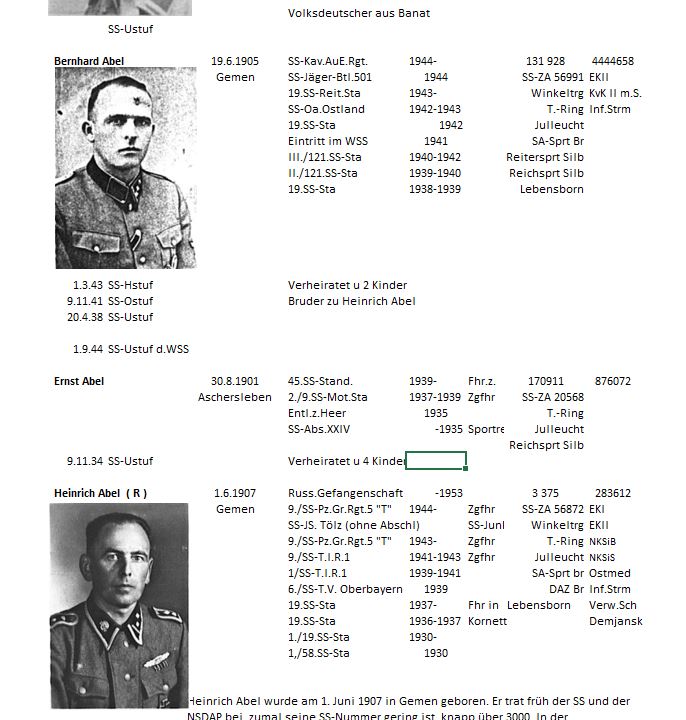
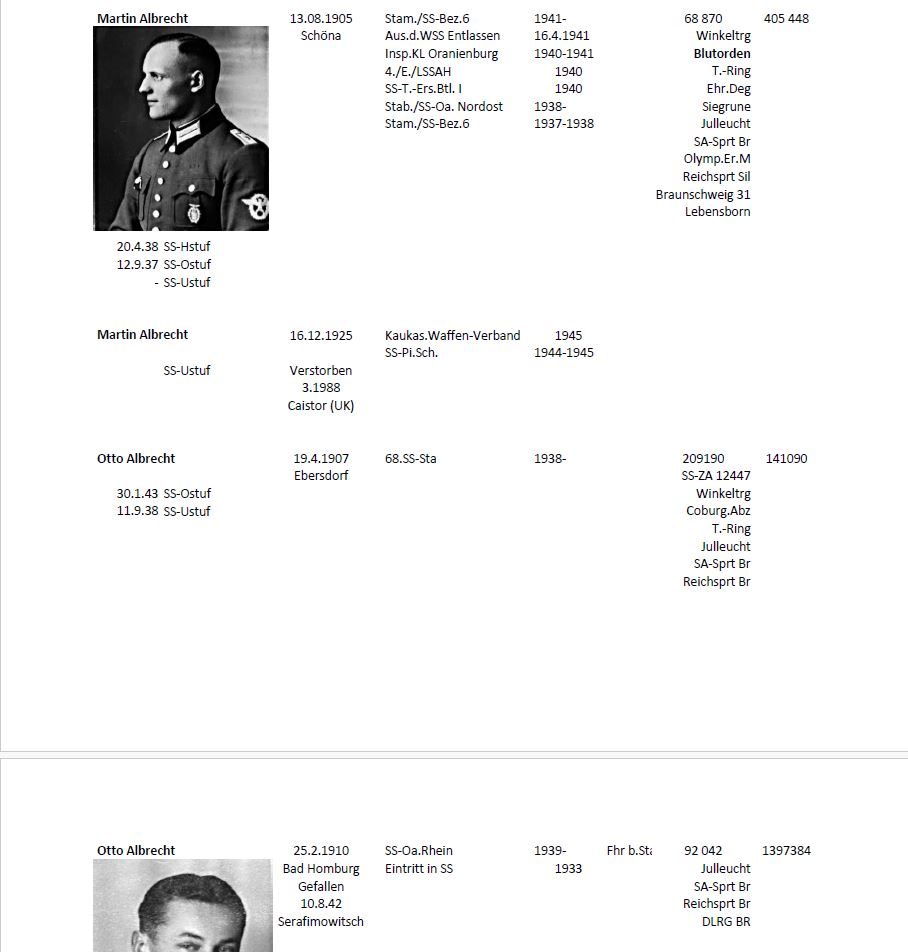
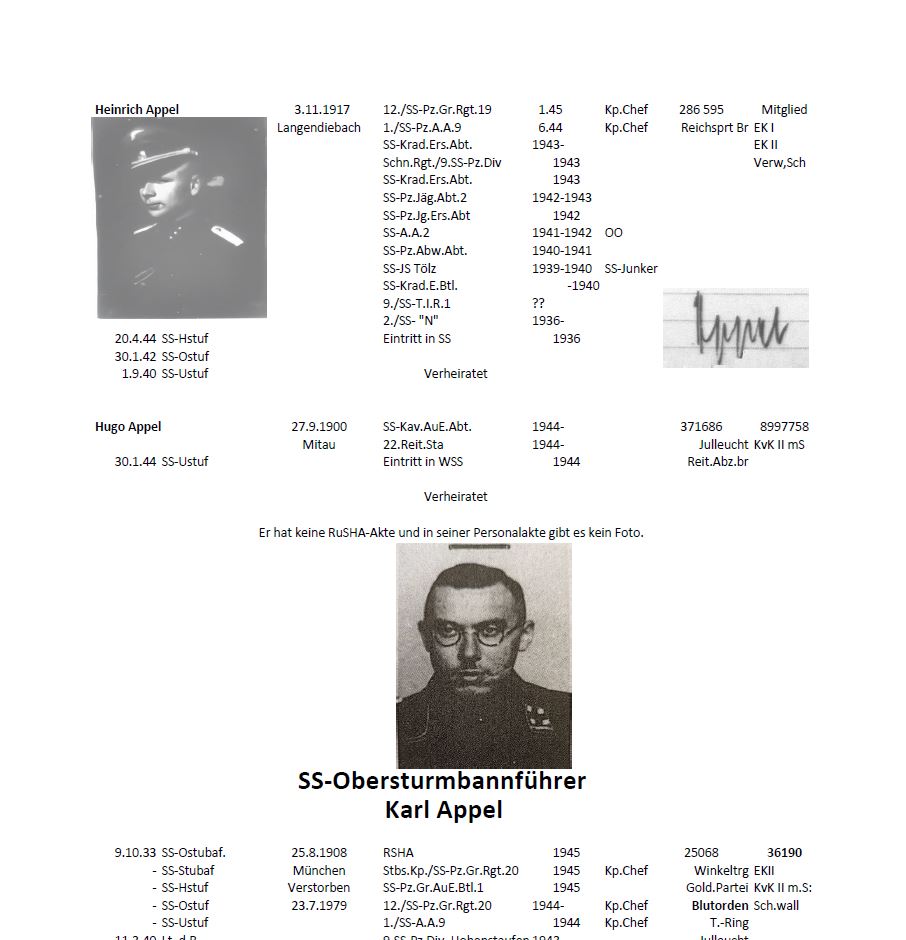
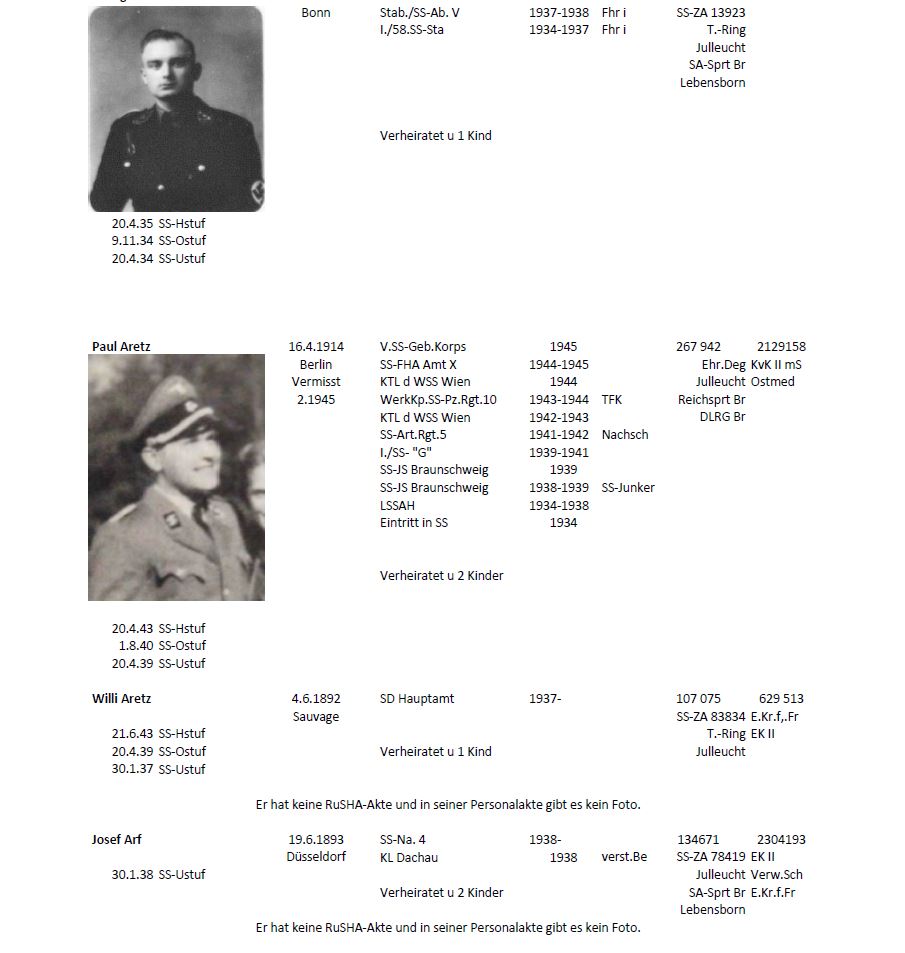
To the left you can see a photo of the cover to my book dealing with officers in the SS and Waffen-SS. The book is 368 pages thick and have 1373 officers listed. They all have a familyname starting with A. We have managed to find 873 photos of the officers.
What you can find is name, birthdate/town and in many cases also when and where they died. We have listed all known units. As source we have used the SSO , RuSHA, nad many other documents from the serie of NS 4 (Konzentrationslager) T-354 (Allg.-SS and Waffen-SS) T-175 (RFSS, SS-FHA, SS-HA, SS-RuSHA plus many more)
In about 30 case we have written a more detailed history of the officer.
The book is avaible on all Amazon platforms.
We are currently working furiously on next volume , B1 delaing with officers from Baab to Blaschk. Due to be released in the autumn. You can all follow our project on www.führerliste.com or Facebook/ Führerliste
The life for a crew in a Tiger
I jsut have recieved a ton of photos from a friend, among them there was a serie of photos of the SS-Ostuf Waldemar Schütz who after the war and his service in the SS-Pz.Rgt.1 started a publishing company in Germany under the name “K.W. Schütz” I have several of books from that company in my libary.
But the photo I now show is Waldemar Schütz himself in and outside the Tiger (Nr 411) but also his crew. Among them a photo of them cleaning the barrel of the 88 gun that the Tiger was equipped with. It took some men to clean it. 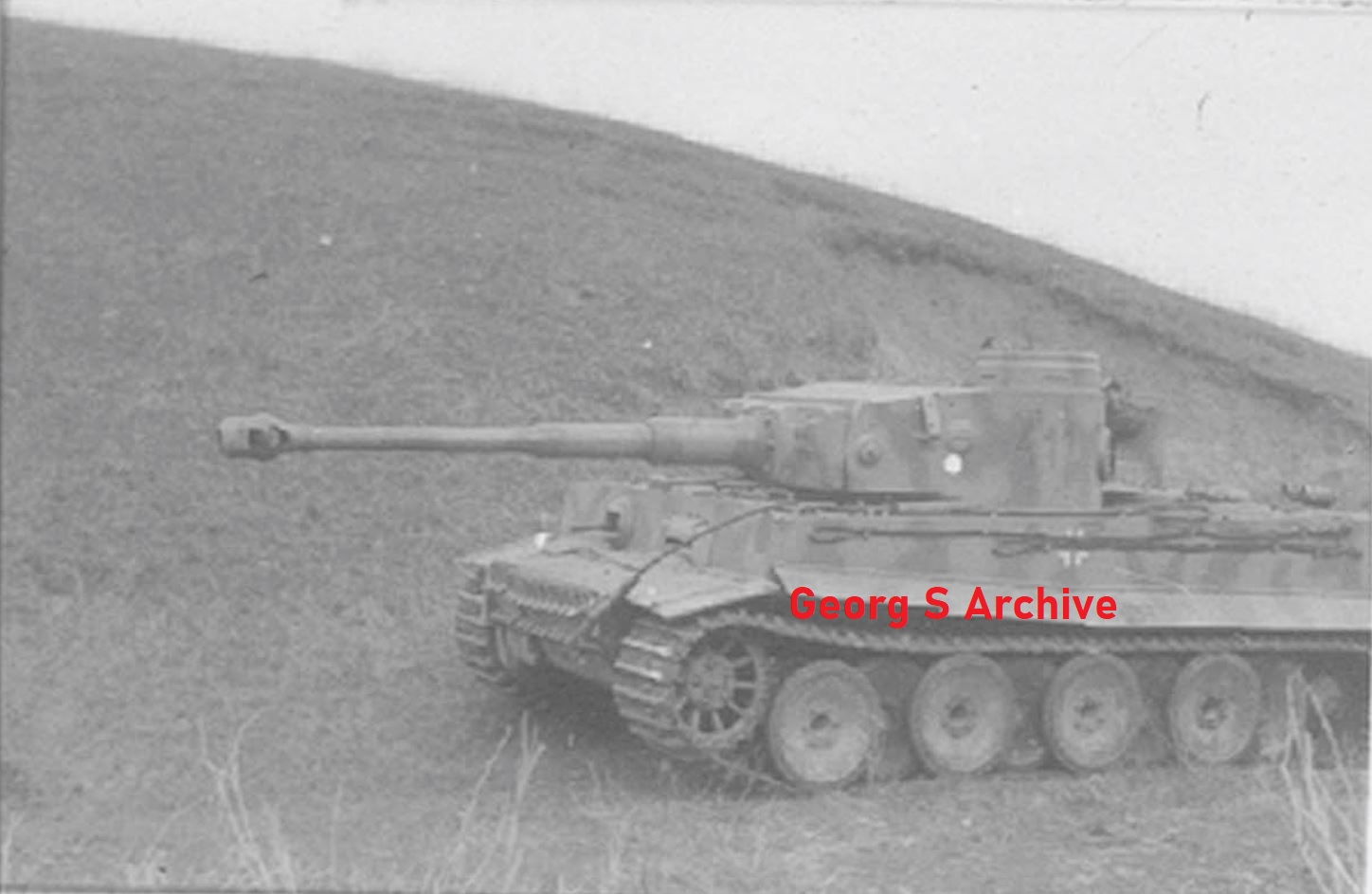
1 photo – their Tiger I No 411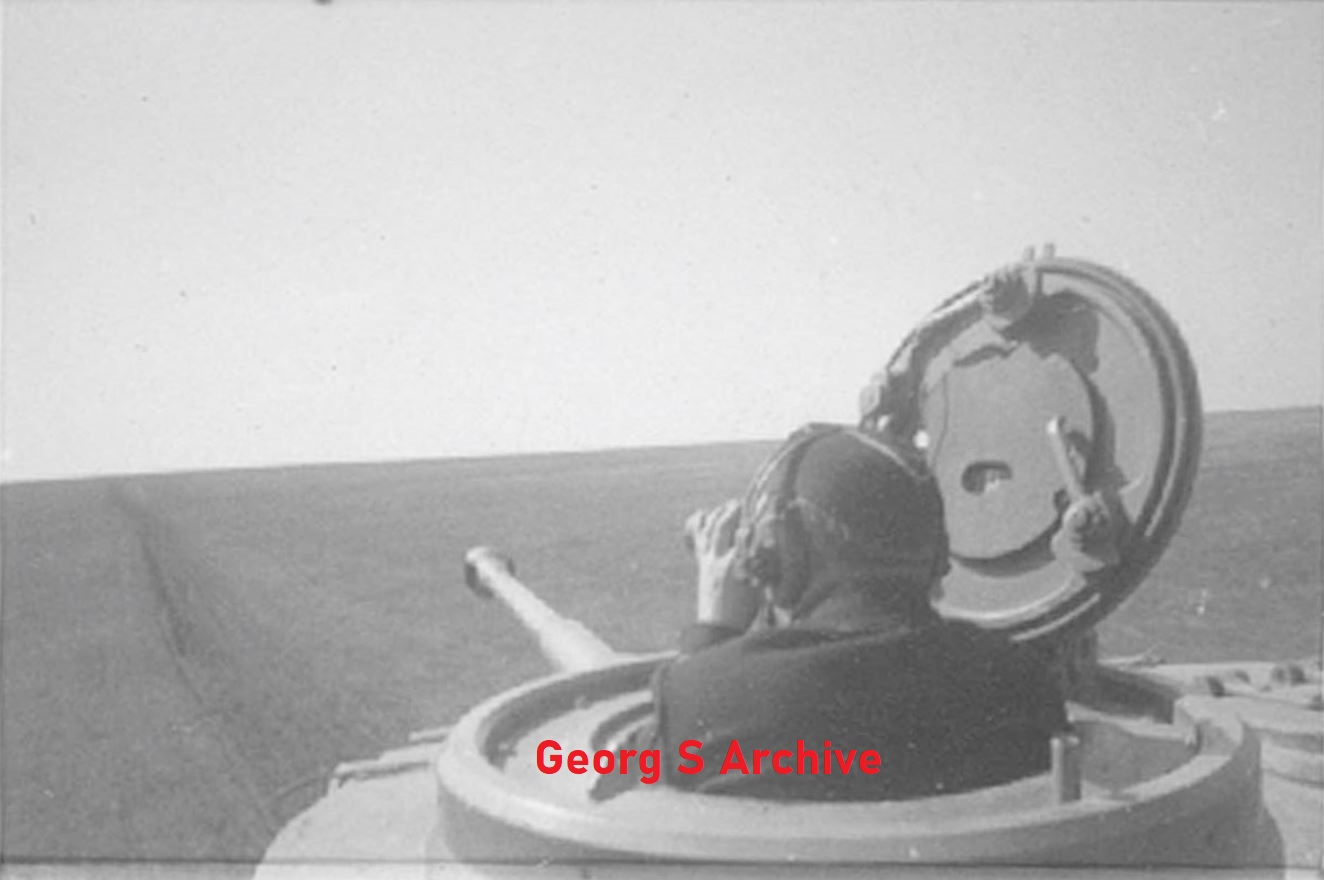
The view for SS-Ostuf W Schütz in the turret.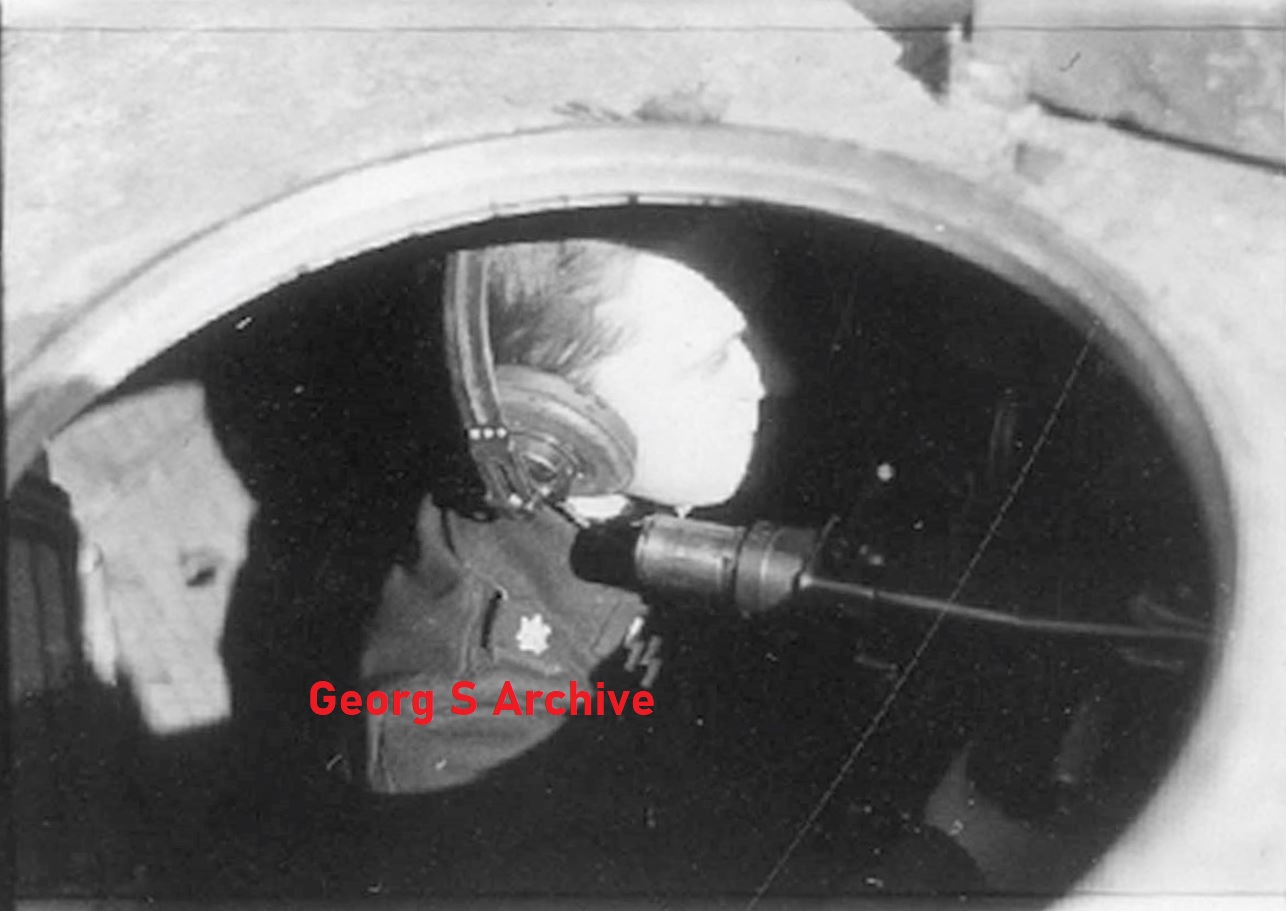
The radiooperator and machingun handler in the Tiger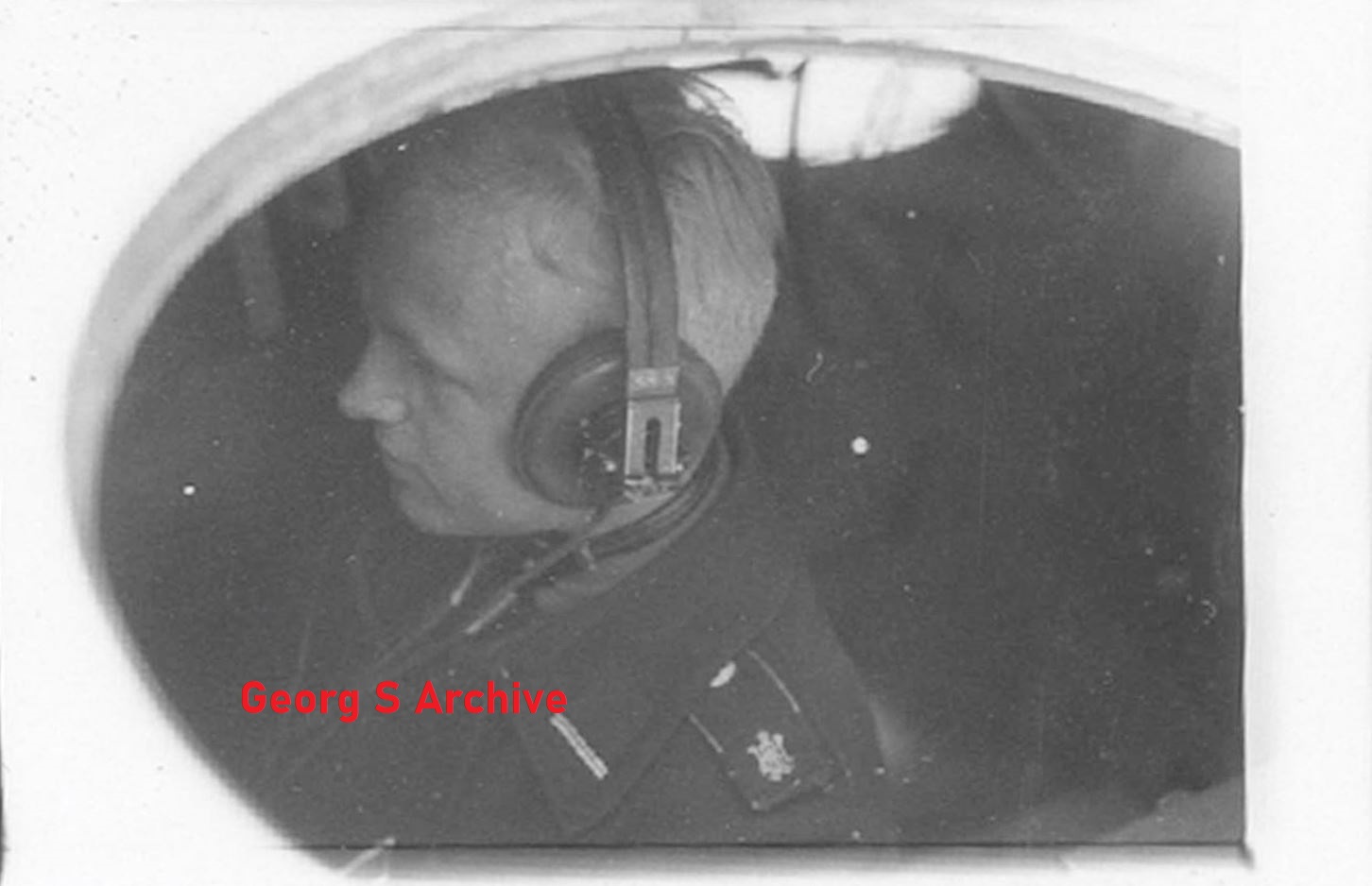
The driver of the Tank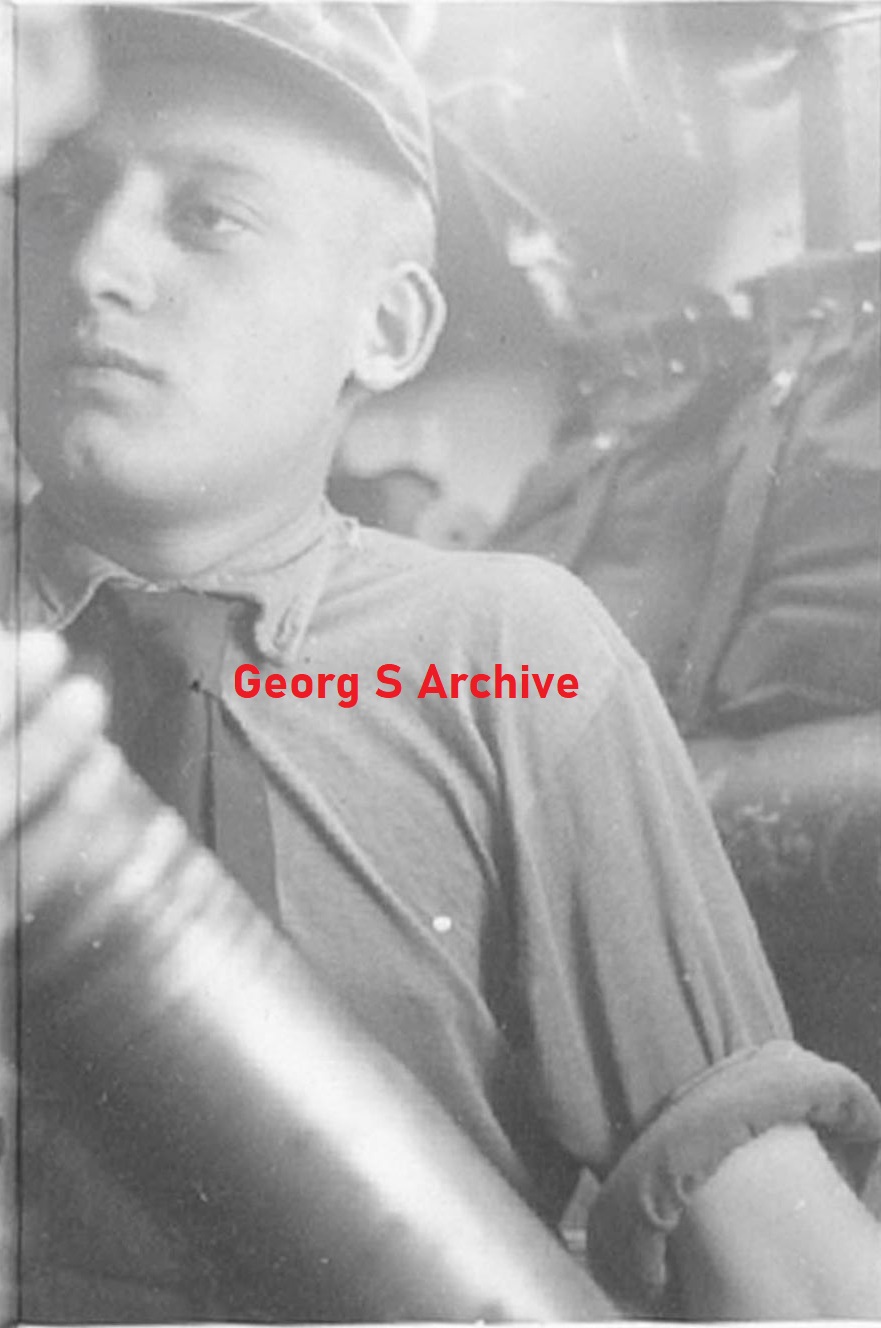
The loader of the gun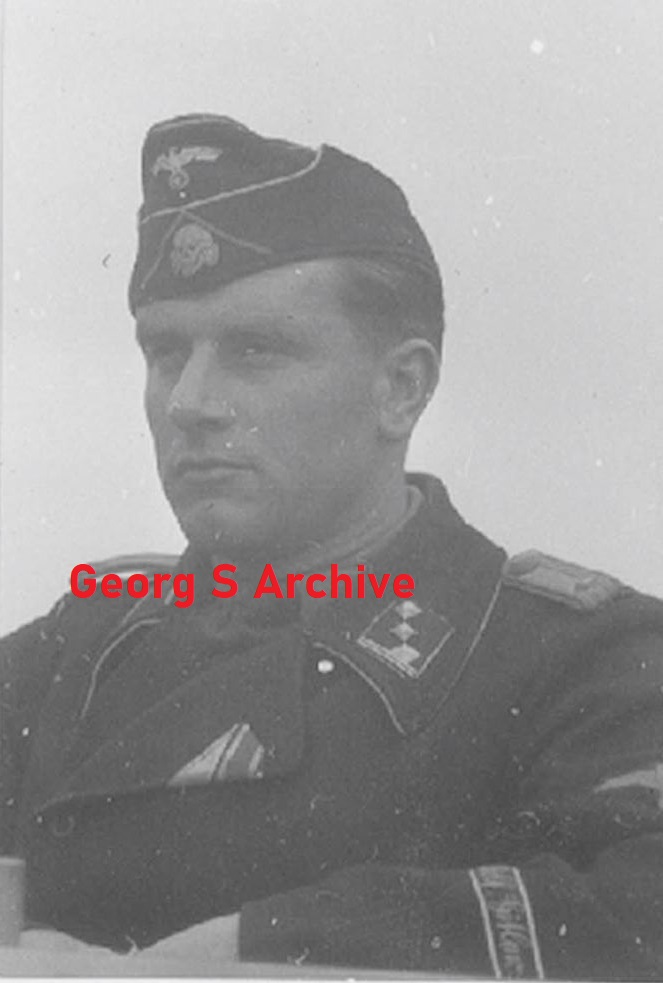
The tank commander – SS-Ostuf W Schütz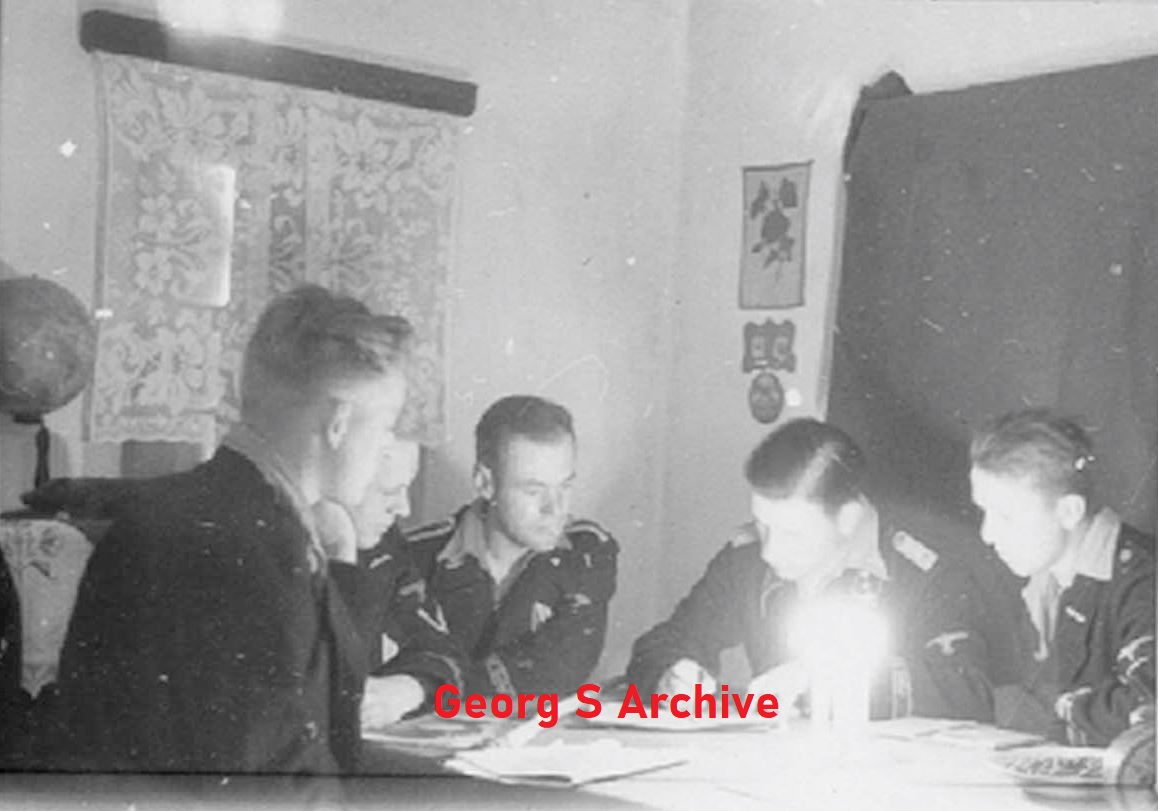
The Cdr and his crew get info about assignments ahead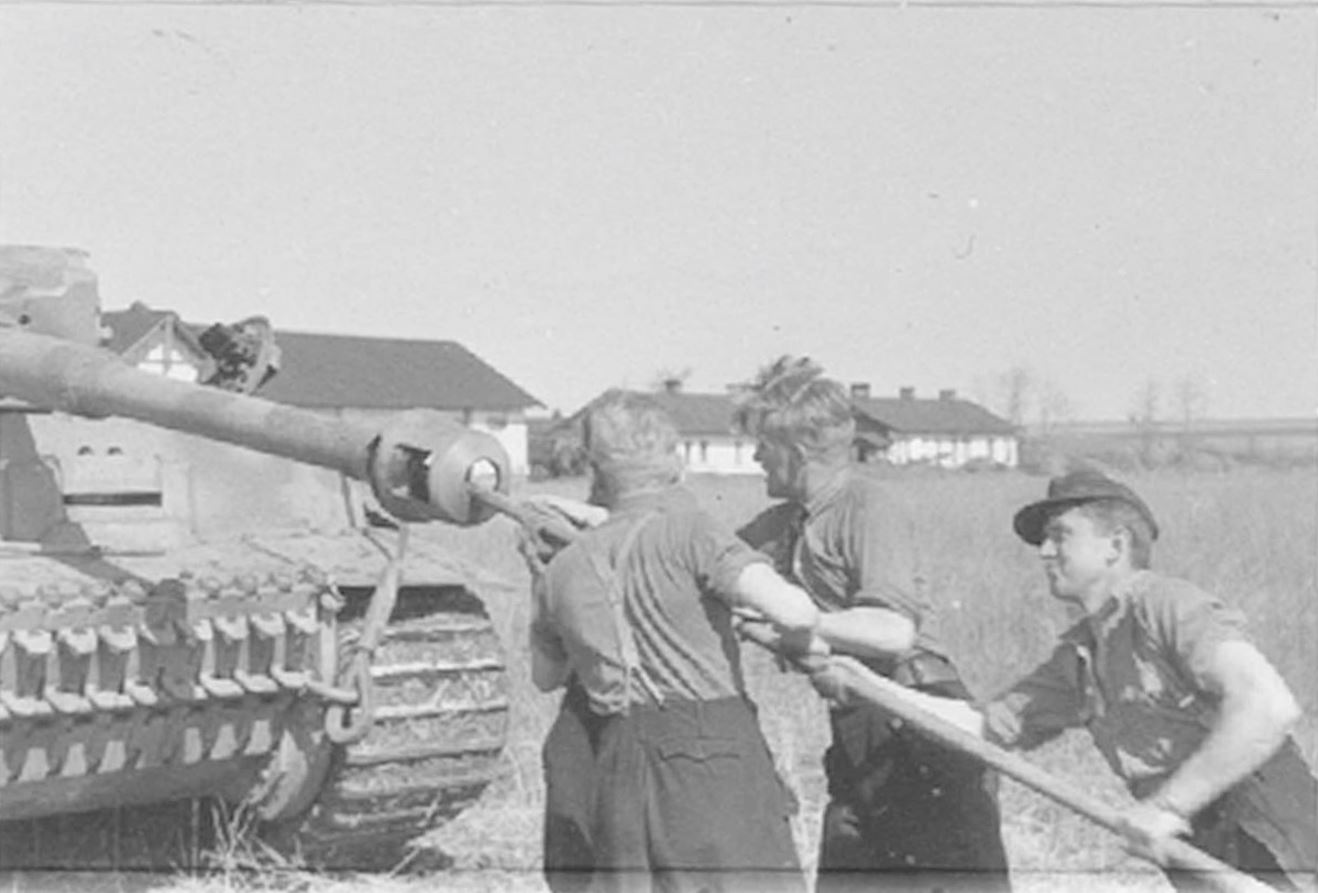
Cleaning the gun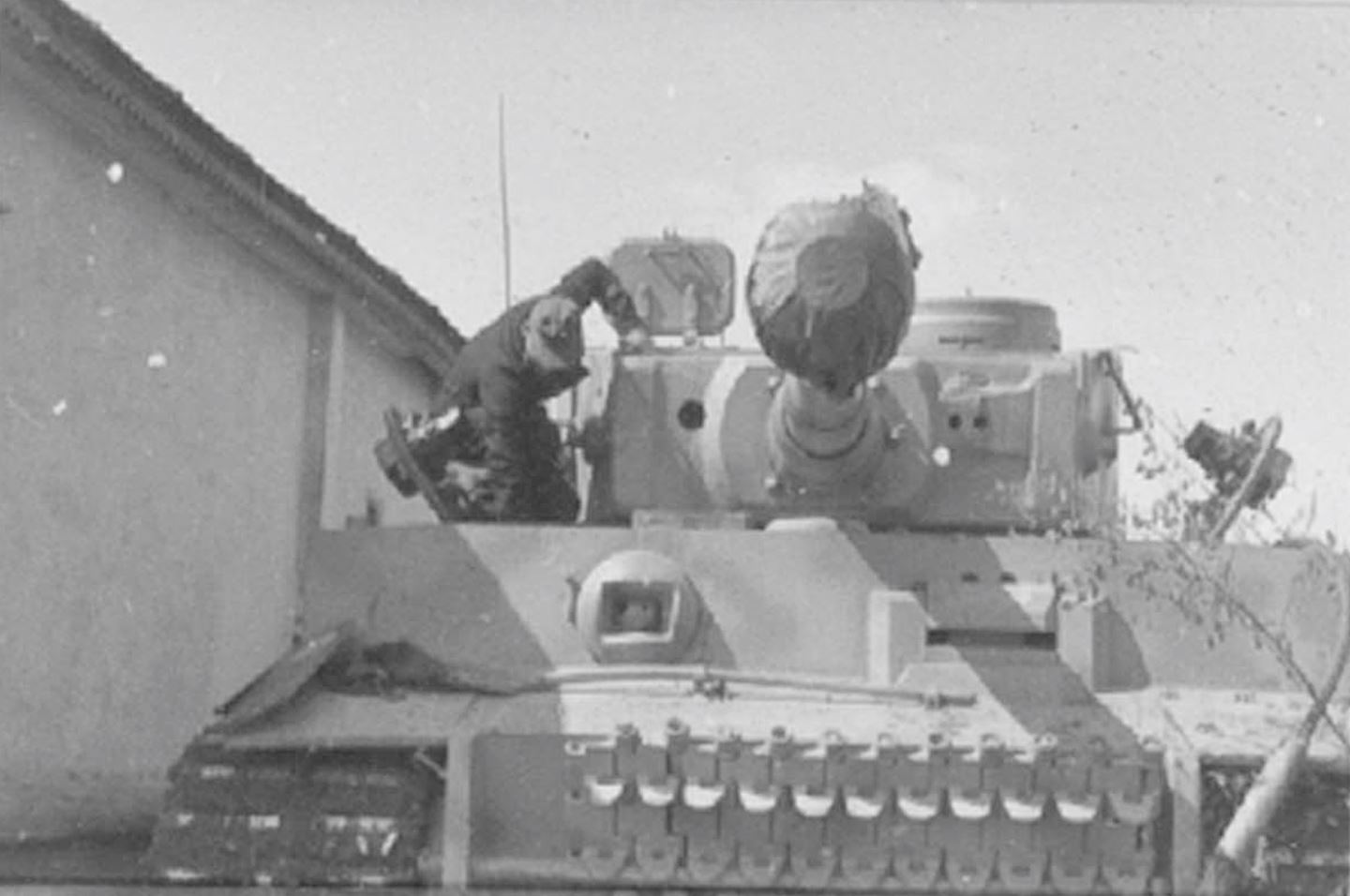
The tank is ready for the next mission
Best regards
Georg
100 years 9.11.1923 – 2023
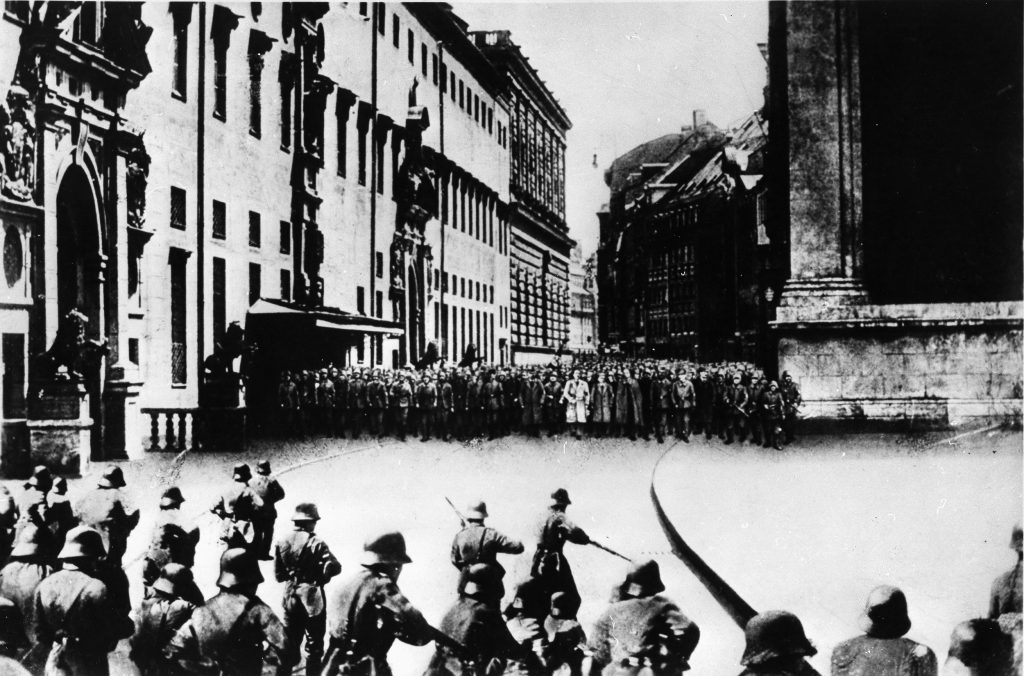
Today is 100 years since Hitler and he sheikduks tried to take power in Munich through a revolution. It came to be known as the beer hall coup.
Writing a whole new article about this event feels completely unnecessary, there is plenty to read about the beer hall coup on the internet and tons of books, still thought it was in order to draw attention to the fact that it has been 100 years since it happened.
For those of us who are interested in World War II and its history, are well aware of the history and aftermath of this attempted coup.
To summarize a little of what happened after the coup attempt
The 16 men who fell during the coup attempt all became martyrs and were later buried in the Feldherrenhalle in Munich, where they were commemorated every year when the NSDAP paid tribute to the 1923 coup attempt.
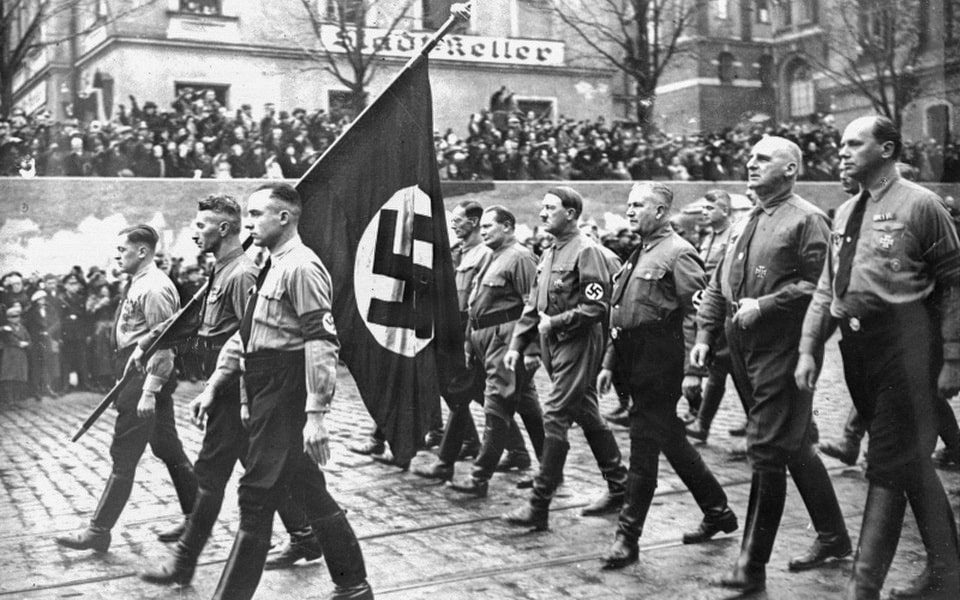
For those who took part in the coup attempt, the Blood Order was instituted, which was a highly regarded award for fellow members of the NSDAP, SA, SS and other organizations in Germany.
During the time Hitler was imprisoned in Landsberg, he wrote the book “Mein Kampf” with the help of Rudolf Hess.
November 9 became a sacred date for the NSDAP and its organizations, and among other things The SS promoted many of its members on this particular date, other holy dates for them were 30 January and 20 April.
//Georg
Kz Sachsenhausen Kommendants
The concentration camp Sachsenhausen was located between 1936 and 1945 in the town of Oranienburg, about 30 km north of Berlin. Today, the camp area is located in the easter part of the city of Oranienburg, in the federal state of Brandenburg. Between 1936 and 1945, KZ Sachsenhausen was a Nazi German concentration camp. The camp was taken over in 1945 by the Soviet occupying power and used as a camp for German prisoners of war, NSDAP functionaries and Russian deserters. The camp was finally closed in 1950 and since 1961 is a memorial site with a museum.
KZ Sachsenhausen, established in 1936, was the first specially designed concentration camp and became the prototype for the SS camp. It was designed and laid out as the perfect concentration camp – the “modern, thoroughly contemporary, ideal and easily expandable concentration camp” as Reichsführer-SS Heinrich Himmler put it. KZ Sachsenhausen became one of the SS’s most important camps. In Oranienburg, near KZ-Sachsenhausen, in 1938 the headquarters of the IKL (ie: Inspektion der Konzentrationslager), the SS authority in charge of the concentration camps, was located.
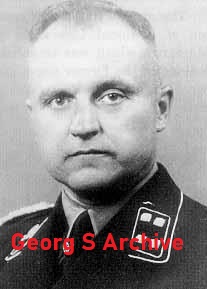
The camp’s first commandant was Karl Koch, born 2.8.1897 in Darmstad, died 5.4.1945 in Buchenwald, who came to Sachsenhausen after being commandant of the former camp KL Esterwegen. This camp was closed in connection with the establishment of KL Sachsnehausen. Karl Koch was a real character, he often saw through his fingers when his SS Soldiers teased the prisoners and he made sure he had a pleasant life as commandant. His time at Saxony was relatively short as after Sachsenhausen he was appointed the first commandant of KL Buchenwald, KL Buchenwald was set up in 1937. It was in this capacity that Karl Koch would really become famous, he and his wife ensured that Buchenwald became their own small kingdom where they could act exactly as they wished. Regarding this life, I will write a little more detailed history about Karl Koch, however, in 1942 he was transferred from KL Buchenwald after SS-Judge Konrad Morgen appointed an investigation into the irregularities that occurred in KL Buchenwald. Karl Koch then became commandant in KL Majdanek/Lublin. But in 1944 he was put in custody for the crimes committed in Buchenwald. He was executed by the SS in April 1945 in Buchenwald.
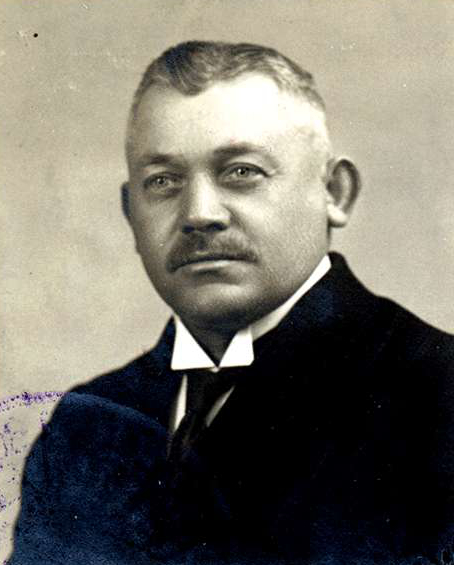
Between the years 1937 and 1938, Hans Helwig (25.9.1881 in Hemsbach died 24.8.1952) held the title of commandant of KL Sachsenhausen, but he was considered too weak and was thus appointed as Commandant. Before KL Sachsenhausen, Helwig was at KL Lichtenburg. He was replaced by the more hard-line Hermann Baranowski.
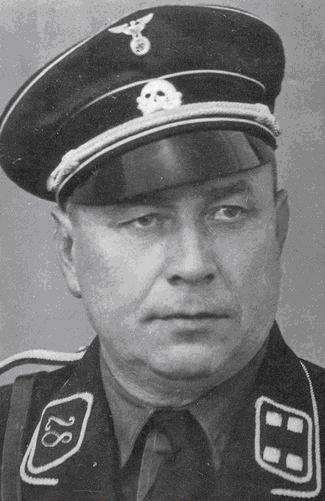
Hermann Baranowski, born 11.6.1884 in Schwerin, came to KL Sachsenhausen after serving as Schutzhaftlagerführer KL Dachau. He was a slightly older gentleman but was not a weak man, he quickly earned the nickname “bloody Hermann”. The first year and until 1939 he had no problems with his health, but it rapidly declined and although on paper he was commandant of KL Sachsenhausen until his death in 1940, it was actually Schütshaftlagerführer Walter Eisfeld who was acting commandant in the last year. Hermann Baranowski died on 5 February 1940 in his hometown of Auer. One of Baranowski’s daughters married the later commandant of KL Stutthof, Paul Werner Hoppe.
Walter Eisfeld who acted as Kommendant of the camp during Baranowskis illness, was a hardcore SS-officer who served for som eyears in different Camps. He soon earned the nickname “Eiskalt” , at one of RFSS Himmlers visits to KL Sachsenhausen in 1940 he thought that Eisfeld took his job not seriuosly enough and had him removed from is Position, he was transfered to KL Dachau where he had served previously. but he was soon to be appointed to become Commandant of the KL Neuengamme in Hamburg which priviously had been a satelite camp to KL Sachsenhausen, but faith had something else in mind fpr Walter Eisfeld, he died 3.4.1940 mysteriously on a visit to his family who lived at the Strasse der SS nearby the KL Dachau.
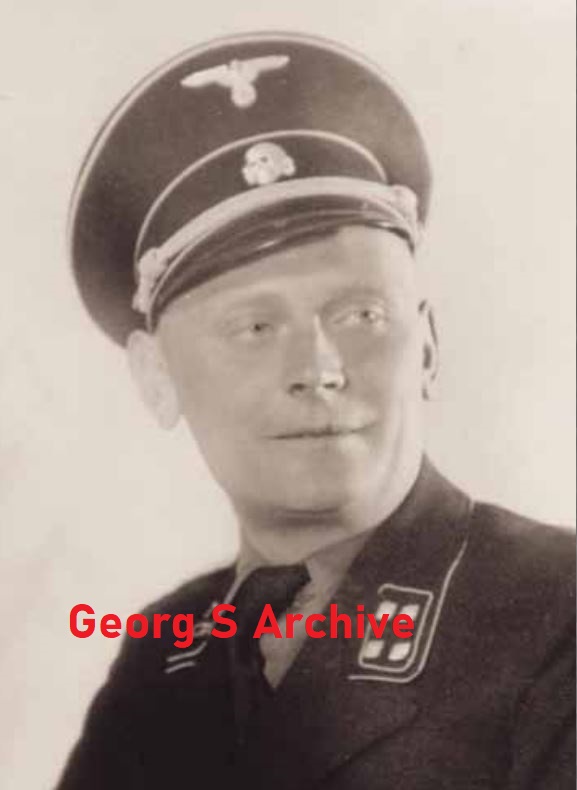
In the first years, the camp’s prisoners mainly consisted of political opposition figures such as social democrats, communists and trade unionists. Afterwards, people who were considered racially or biologically inferior by the Nazis – so-called “asocials”, Roma and Jews – were also interned. After the outbreak of war, Czechs, Poles and citizens from other occupied countries arrived. Especially before the upcoming Olympic Games, Berlin was purged of what they considered antisocials, prostitutes, drunks, beggars and anything else that could be considered to tarnish the perfect German image.
In 1941, at least 12,000 Russian prisoners of war were killed when the SS tested gas tanks and execution by neck shot. This led to the establishment of a gas chamber, an execution room and crematoria in the camp in 1942 instead.
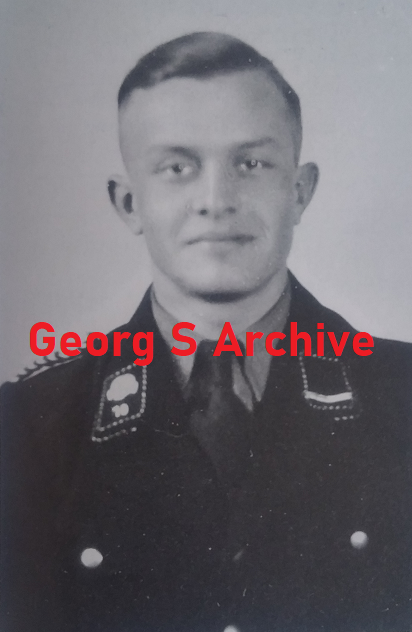
The one who became most famous for these executions of the Russian prisoners of war was the “Pistolen Schubert” which was the nickname of Wilhelm Schubert (8.2.1917 in Magdeburg – Died 12.1.2006 in Solingen) He was captured by the Russian troops after the war, and sentenced in 1947 in the so-called “Sachsenhausen trial” to life imprisonment. In 1955, Wilhelm Schubert came among the last trains home from Workuta, however, he was considered to be among those who would not be spared and he was again sentenced in 1959 to life imprisonment. In 1986, Wilhelm Schubert was released and he was given 20 years in freedom before he finally died. According to the statement, he was very proud of his past and he must have had a picture of himself in SS uniform on the wall of the retirement home where he lived in his last years. He was often courted by people from right-wing extremist organizations and was considered one of their figureheads. He was not married and had no children.
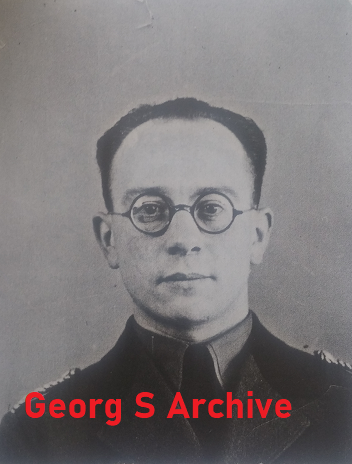
In early 1945, the Red Army approached central Germany and the camp commandant ordered the evacuation of KZ Sachsenhausen. The evacuation was carried out in April, when the approximately 38,000 prisoners were divided into smaller groups and forced to go on so-called death marches towards the northwest. A large number of prisoners died of cold and exhaustion or were shot dead by the SS during these marches. On April 22, Soviet (47th Soviet Army) and Polish troops arrived at the camp where about 3,000 helpless prisoners had been left behind. Between 1936 and 1945, 220,000 had passed through the concentration camp and more than 30,000 had died, most of them Soviet prisoners of war.
Anton Kaindl escaped the camp together with his Adjutant Heinrich Wessel and their wives. They took refuge in Flensburg where, among other things, Richard Glücks together with other parts of the upper echelon of the Concentration Camp leaders were found, i.a. Rudolf Höss. They were asked to get false papers and go underground.
Anton Kaindl escaped the camp together with his Adjutant Heinrich Wessel and their wives. They took refuge in Flensburg where, among other things, Richard Glücks together with other parts of the upper echelon of the Concentration Camp leaders were found, i.a. Rudolf Höss. They were asked to get false papers and go underground.
However, in Kaindl’s case it was a hopeless case, he was captured and handed over to the Russians where he was sentenced to life imprisonment in the Sachsenhausen trial and taken with the others to Workuta in northern Russia. Anton Kaindl could not cope with this and died only after a couple of years. According to Camp Doctor SS-Hauptsturmführer Heinz Baumkööter, there were a number of them who simply gave up and if you did that in the camp, your time was up. Anton Kaindl was born on 14.7.1902 in Munich and died on 31.8.1948 in Workuta. He became commandant of KL Sachsenhausen in 1942 when he succeeded Hans Loritz. He was married but had no children.
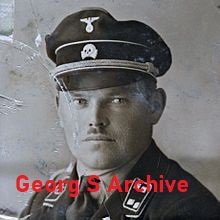
Hans Loritz was born on 21.12.1895 in Neumünster, He was the son of a police officer in Augsburg. At the outbreak of the First World War in 1914, he signed up as a war volunteer in the Bavarian army. He was wounded several times and ended up in July 1918 as a French prisoner of war. He was released in 1920 and came to work within the police authority in Augsburg.
Loritz joined the NSDAP and the SS in 1930 and in 1933 commanded the 29. SS-Standarte Schwaben. After a dispute with an SA leader at the Reichsparteitag in 1933, Loritz was ordered to Dachau, where he was responsible for 1,400 Austrian SS members. In Dachau, he got to know his patron Theodor Eicke, who was the commandant of the camp and head of the Inspectorate for Concentration Camps (IKL). In early 1934, Loritz asked in a personal letter to Reichsführer-SS Heinrich Himmler to be transferred to a concentration camp under Eicke’s supervision, but this request was initially refused.
In July 1934, however, Loritz’s request was granted and he was appointed commandant of the Esterwegen concentration camp, which was located near Esterwegen in the district of Emsland. In the camp, he tightened the rules, personally interrogated prisoners and ordered torture. The camp was closed in 1936 and Loritz then became commandant at Dachau. Loritz urged his guards to be harsh and imposed a number of brutal punishments.
Loritz’s corruption made him the subject of investigation by the SS-Verwaltungsamt. Among other things, he had prisoners build a private villa in Sankt Gilgen by the Wolfgangsee, the villa is still there today. This resulted in him being ordered to Graz in July 1939 as SS-Abschnittsführer, but already in December of the same year he was appointed acting camp commandant in Sachsenhausen; in March 1940 he became regular commandant. In Sachsenhausen, he stepped up the terror and the repressive measures. In 1941, he selected prisoners unfit for work, who were murdered at the Tötungsanstalt Pirna-Sonnenstein and organized the arquebusing of at least 12,000 Soviet prisoners of war in a specially set up neck shot department. See Wilhelm Schubert.
In Sachsenhausen, Loritz’s corruption was discovered again. He had inmates in the camp’s workshops, called “Loritz-Werke”, work in his private service. A preliminary investigation was opened against Loritz, and although it was dropped, he was dismissed as camp commandant, at the request of Oswald Pohl, head of the SS-Wirtschafts- und Verwaltungshauptamt. At the beginning of September 1942, Loritz was ordered to the German-occupied Norway, where he became an inspector with the High SS and police chief of the district North, Wilhelm Rediess. In this capacity, Loritz was responsible for all SS camps in Norway.
In the final stages of the Second World War, Loritz fled to Sweden, he first stayed in the camp called “sunnersta” just outside Bollnäs, a bit tragicomic is that I played as a child where this camp had been. Later he was moved to a camp between Bollnäs and Söderhamn, it was called Mo, and finally transferred to Axmar Castle just outside Gävle, where, among other things, the German Legation was placed under arrest. The Swedish authorities never believed Loritz’s explanation that he was a former German sailor, and they soon handed Loritz over to the English. He was interned by the British occupying power and risked extradition to the Soviet Union for the mass murder of Soviet prisoners of war at Sachsenhausen. At the end of January 1946, Loritz committed suicide in the British internment camp Neumünster-Gadeland.
Next post about KL Sachsenhausen will deal with its Schutzhaftlagerführern
//Georg
